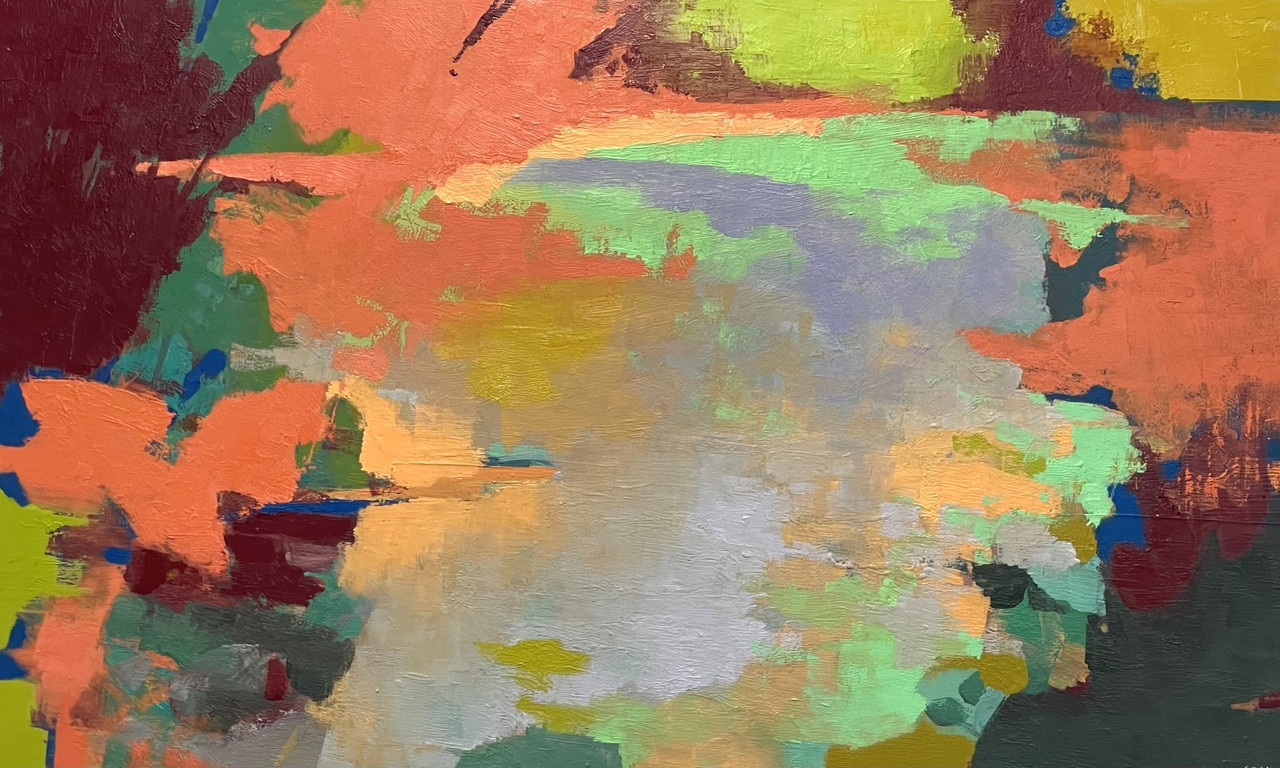
Description
Unlock the expressive potential of your artwork by moving beyond the perceived colors of the landscape in favor of invented colors! This class will provide the color theory behind the use of bold color interactions. Open to all oil and acrylic painters who are willing to let go, experiment and take chances!
About the Instructor
A landscape painter at heart, Scott’s work has become more abstracted, with greater emphasis on pure color and gestural mark-making to evoke the visual sensations gifted by nature.
Scott lives in Portland, OR with his family.
Learn More
www.scottgellatly.com
Materials List
You will need to bring:
Color Palette: Participants can paint in either oils or acrylics.
Palette: Cadmium Yellow Light, Indian Yellow, Cadmium Orange, Quinacridone Red/Rose, Ultramarine Blue, Cobalt Teal or Turquoise, Ivory Black and Titanium White.Brushes: 2 – 3 flat or bright brushes appropriate for the paint you are using. Preferred brand: Princeton Aspen.
Palette knife: metal, tear-drop shape for color mixing and paint application.
Additional Tools: Scraper (Catalyst Wedge Tool, old gift cards, or similar), Speedball soft brayer (2” – 3”)
Palette: glass or disposable palettes are all good options. The bigger, the better. For a glass palette, a piece of glass taped to a foam core backing is a good, economical option.
Brush cleaner: Gamsol for oil painting. Small container for solvent.
Rags/paper towels.
Painting Supports:
Paper Pads for Studies:
Strathmore 9” x 12” Oil Painting Pad for oil painters
Strathmore 9” x 12” Acrylic Pad for acrylic painters
Larger Panels for Studio Paintings:
4 – 6 Ampersand Gessobord Panels. Appropriate sizes are 9” x 12”, 11” x 14”, 12” x 12” or 12” x 16”. You are welcome to work larger if you prefer.
Source Material: Please have several references ready to work from. These can be drawings, other paintings or photographs. If photographs, please have them be your own.
Please let me know if you have any materials-related questions before the workshop – scottgellatly@hotmail.com