April 2026 Director's Journal
I do a lot of writing in this role. Monthly newsletters, board updates, grant applications and reports.
Most of that writing is about the big picture: the growing reach of our programs, the evolving diversity of our audiences and making the case for why art and nature matter. It’s writing that helps keep Sitka’s doors open and its future bright—work I care deeply about.
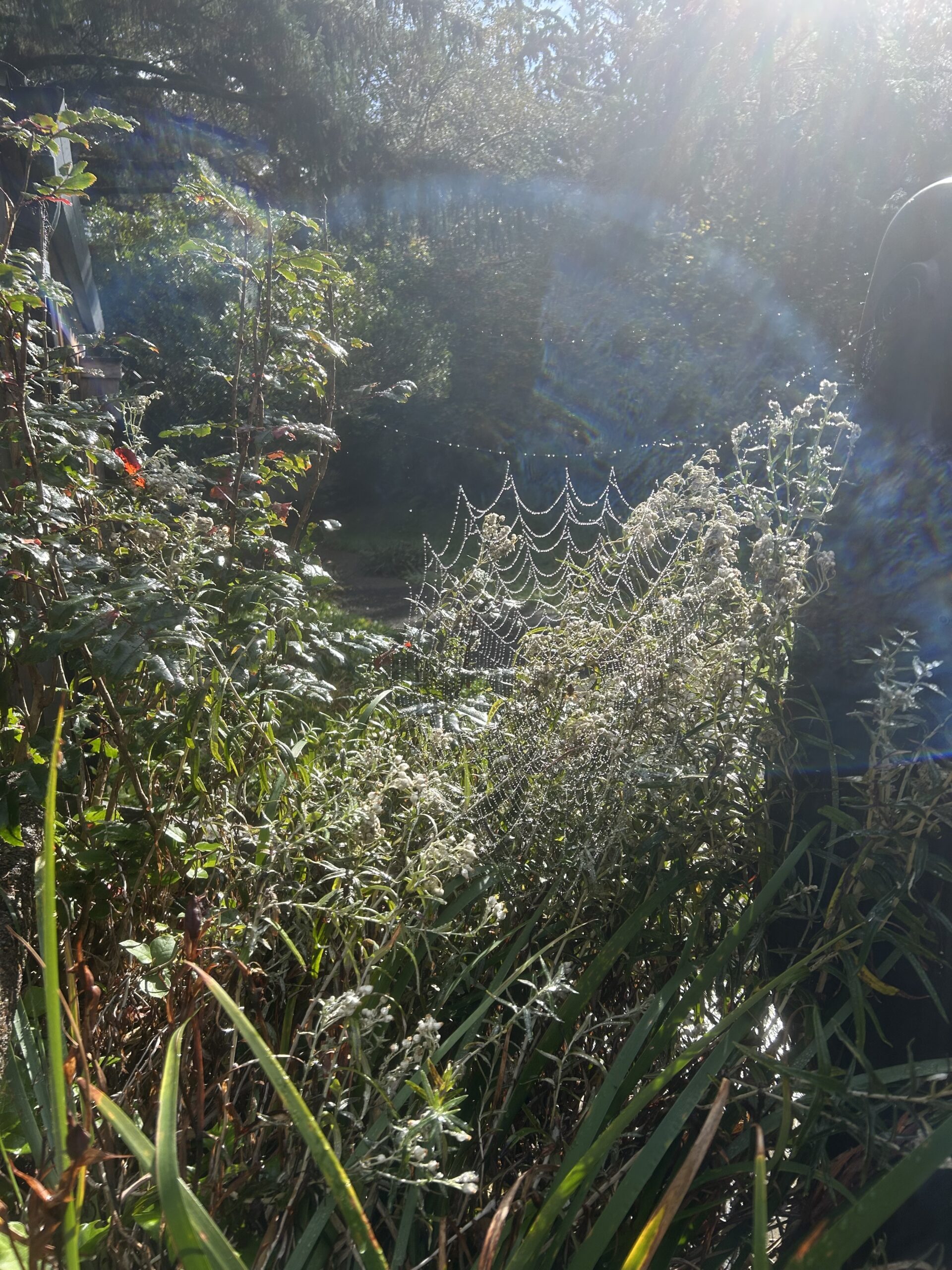
And still, it doesn’t capture everything that happens here. Most grant applications focus on core programs delivered and populations served. They don’t ask how it feels to step outside onto Sitka’s courtyard in the morning, when the spider webs are strung with dew and the only sounds are the distant roar of the ocean and your own breathing.
There’s a rhythm to nonprofit work. Days shaped by programming calendars and fundraising deadlines, by what’s due next. It’s easy to stay inside that current, swimming below the surface, moving from one mission-serving writing assignment to the next without coming up for air.
And then, something pulls me out and reminds me to breathe.
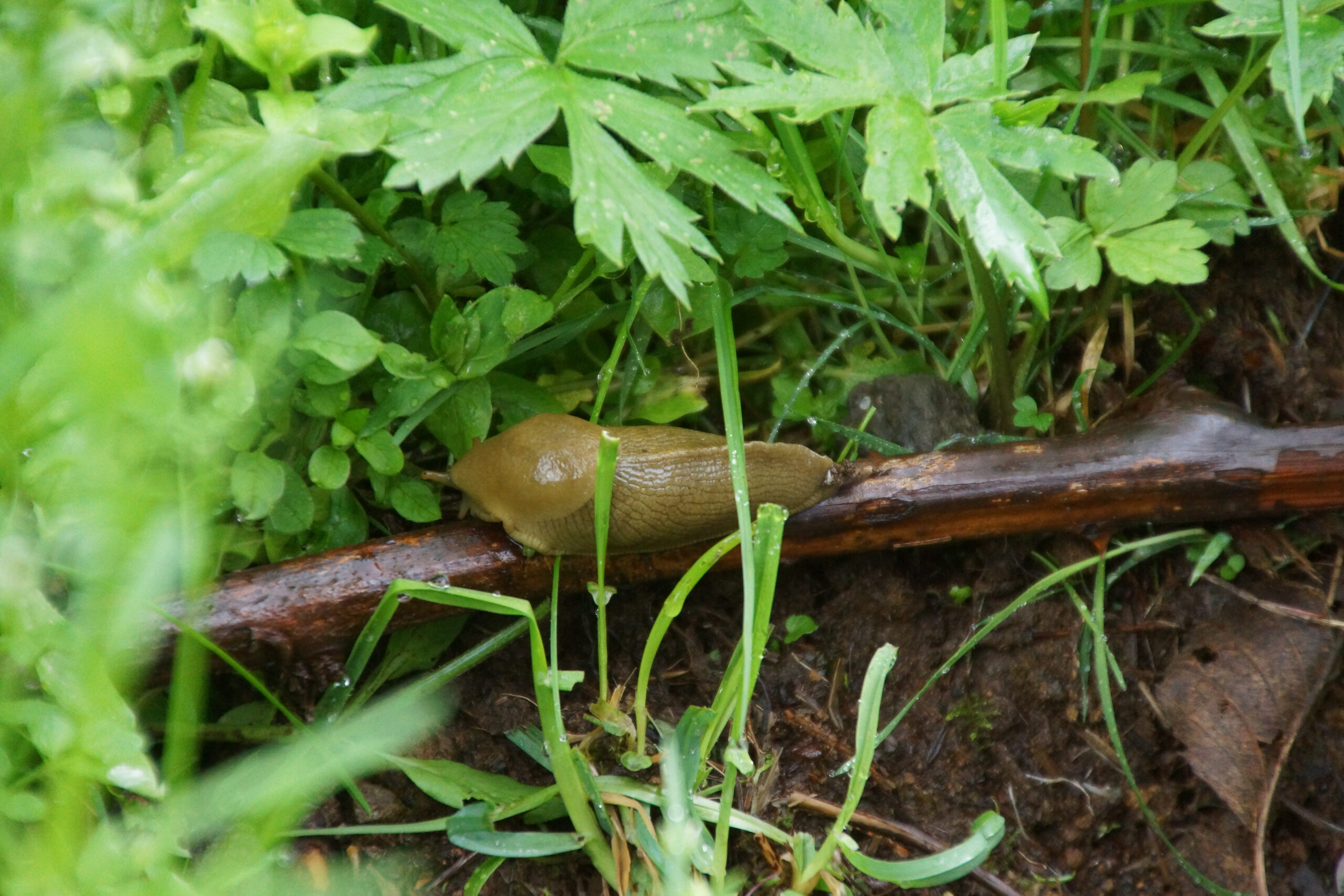
Turning off Three Rocks Road toward Sitka and suddenly being surrounded by an elk herd. A break in the clouds beyond the Salmon River estuary just as the sun drops into the ocean, setting the sky ablaze. Or a visiting artist stopping mid-walk, drawn to something I’ve passed a hundred times—a slug inching its way along a conifer twig—and seeing it, really seeing it.
I find that same invitation in Ecology and Facilities Director Jake Simondet’s seasonal field notes. His spring update to all of us is in this newsletter, and I hope you’ll spend some time with it. Not just for what he finds—the salamanders, the mantis egg case—but for the eyes-wide curiosity with which he moves through this place.
Throughout Sitka’s nearly 56-year history, we’ve returned again and again to the space between ecology and art—trying to describe it, to give it shape, to understand what it looks like in practice. Reading Jake’s field notes, I’m reminded that it may be less something to define, and more something to practice.
What if the art of ecology at Sitka lies in the decision to follow a thread instead of trying to shape it—to see what might emerge if we let the experience lead?
This July, in the spirit of slowing down and tuning in, I’ll be taking Maxim Loskutoff’s Writing as Nature workshop. As Loskutoff shares, “nature is often written as background, just as we often relegate the natural world to background in our daily lives.” The workshop invites an immersive focus on different aspects of the natural world—trees, rock, ocean, sky. Together, we’ll spend time writing from direct experience, paying close attention to place and exploring how it shapes voice, story and perspective. If that resonates, I hope you’ll pack your notebook and SPF 30 and come take the workshop with me.
If writing isn’t your ecological muse, the summer workshop catalog offers many beginner-friendly ways to engage with the landscape—no drawing required.
In June, Carolyn Hazel Drake leads Botanical Pouches: Needlework with Ritual Intention. In July, Ebenezer Galluzzo returns with Growth Cycles Through Cyanotype. In August, Thomas Meinsen invites participants into The Beauty of Birding, and Carolyn Sweeny teaches Oregon Mineral Color. In September, join naturalist Rebecca Lexa for Slow Nature Experiences, and close out the season with Julie Beeler’s Fungi and Color: Forest Forage to Pigment in October.
Throughout the summer, Sitka offers different ways to slow down, follow your curiosity and spend a little more time with what’s right in front of you.
Wishing you time to step outside, wherever you are,
Alison
- Journals
Read the Spring Ecology Update
From the Field Notes of Sitka’s Facilities & Ecology Manager, Jake Simondet